
From NCAA to European Soccer: How to Get Your First Opportunity Abroad
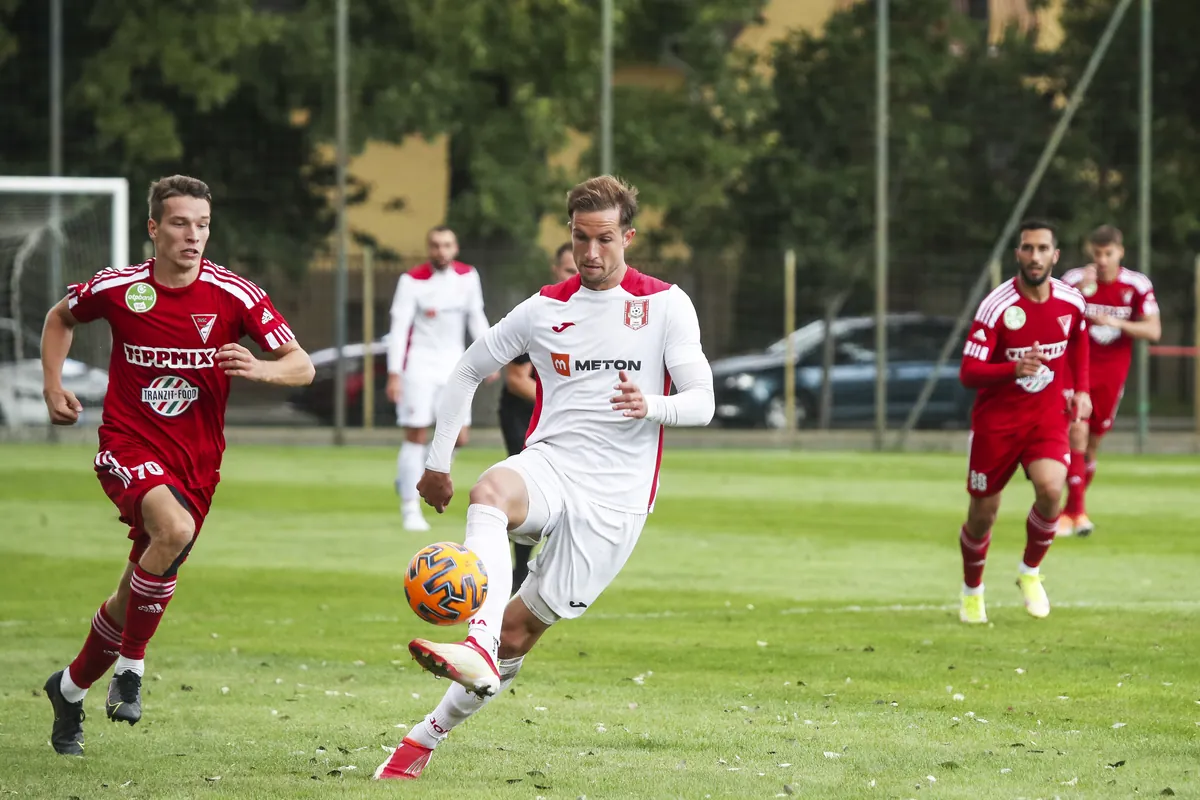
Your college soccer career is coming to an end. You've spent years developing as a player, competing at a high level and representing your university. But what comes next?
For many American college soccer players, graduation does not necessarily mean the end of their playing career. Europe offers opportunities to continue competing, experience different football cultures and develop both on and off the pitch.
However, making the move from NCAA soccer to European football requires more than simply finding a club and booking a flight. You need the right preparation, a realistic understanding of your playing level and a clear plan.
At Second Assist Agency, we believe every player's next step should be based on their individual abilities, ambitions and circumstances.
Understand Your Options in Europe
The first step is understanding what European football can offer.
Unlike the American college system, European football operates through national league structures, with clubs competing at different professional, semi-professional and amateur levels.
Depending on your experience, playing ability and ambitions, several opportunities may be worth exploring.
Professional football
Professional clubs offer the opportunity to compete in established league structures, where football is the primary occupation. These opportunities are highly competitive and generally require significant playing experience and a strong individual profile.
Semi-professional football
For many former NCAA players, semi-professional football can be a realistic starting point. These clubs provide competitive environments where players can continue developing while potentially combining football with education or employment.
Amateur and development opportunities
Lower-level clubs and development environments can also provide valuable experience. They allow players to adapt to European football, gain match experience and build connections within the local football community.
The important thing is not to focus exclusively on the highest possible league. Finding the right environment is often more valuable than joining a club where you may struggle to get playing time.
Countries such as Hungary, Finland, Italy, Austria and others offer different football environments and opportunities. Each has its own league structure, expectations and lifestyle.
The right destination depends on what you want to achieve.
Evaluate Your Playing Profile
Before contacting clubs, you need to understand what you bring to the table.
Playing NCAA Division I, II or III soccer is valuable experience, but your division alone does not determine your European playing level.
Clubs evaluate players based on several factors, including:
Playing position and tactical understanding.
Technical ability and decision-making.
Physical attributes and athletic development.
Competitive experience.
Previous clubs and playing history.
Consistency and recent performances.
Potential to adapt to a different football environment.
Your college career is an important part of your profile, but European clubs will also want to understand your individual qualities.
For example, a central midfielder with strong tactical awareness, excellent passing ability and experience in a competitive NCAA program may have a different pathway from a fast winger whose main strengths are pace and attacking transitions.
There is no universal route that works for everyone.
Be realistic, but don't underestimate yourself.
The objective is to identify opportunities that match your current level while considering your potential for further development.
At Second Assist Agency, we believe that understanding the player comes before identifying the club.
Prepare a Professional Football CV
Your football CV is often the first introduction a European club has to you.
Think of it as your professional introduction. It should communicate who you are, what you have achieved and why a club should consider evaluating you.
A well-prepared football CV should include:
Personal information
Full name and nationality.
Date of birth.
Height and playing position.
Preferred foot.
Current location and contact information.
Football background
Current or most recent university.
NCAA division and college team.
Previous clubs and academies.
Years of competitive experience.
Relevant achievements and statistics.
Additional information
Academic background.
Languages spoken.
References from previous coaches.
Links to highlight videos and full-match footage.
Keep your CV professional, clear and easy to read.
Avoid unnecessary information and make sure everything is accurate and up to date.
Remember that coaches and sporting directors often review multiple player profiles. Your objective is to make it easy for them to understand your background and playing qualities.
Create a Highlight Video That Gets Attention
Your football CV tells your story. Your highlight video shows what you can do on the pitch.
For an American player approaching European clubs, a quality highlight video is one of the most important parts of the recruitment process.
But what makes a good video?
Start with your strongest and most relevant actions. Depending on your position, these might include:
Defenders: Positioning, defensive duels, interceptions, aerial ability and build-up play.
Midfielders: Passing range, ball progression, decision-making, pressing and defensive contributions.
Wingers and forwards: One-on-one situations, movement, finishing, assists and attacking transitions.
Goalkeepers: Shot-stopping, positioning, distribution, communication and decision-making.
Your video should demonstrate more than just goals, assists or spectacular moments.
European coaches want to understand how you play the game, how you make decisions and how you contribute to the team.
A few important recommendations:
Keep the video focused and professionally edited.
Identify yourself clearly before each sequence.
Avoid excessive effects and unnecessary music.
Use recent footage whenever possible.
Include full-match footage when available.
Highlight videos create interest, but full matches provide important context.
A player might look impressive in a three-minute compilation, but coaches need to understand how that player performs throughout an entire game.
Quality matters more than quantity.
Find the Right Club, Not Just Any Club
Once your football CV and video are ready, the next step is identifying suitable clubs.
This is where many players make mistakes.
It can be tempting to send the same email and highlight video to hundreds of European clubs, hoping someone will respond.
However, recruitment is not simply a numbers game.
A more effective approach is to identify clubs based on your playing profile, preferred destination, competitive level and personal expectations.
Consider the following questions:
Does the club compete at a suitable level?
Is there a realistic opportunity to join the squad?
Does the club have experience with international players?
What are the training and competition arrangements?
Can the club support your accommodation or relocation needs?
Does the opportunity match your long-term ambitions?
It is also important to understand the difference between a trial and a confirmed playing opportunity.
A trial allows a club to evaluate your abilities before making a decision. It does not guarantee a contract, a place in the squad or playing time.
Before travelling, make sure you understand exactly what the club is offering, how long the evaluation period lasts and what expenses you may be responsible for.
The right opportunity should be based on clear communication and realistic expectations.
Understand the Practical Side of Moving Abroad
Finding a club is only one part of the process.
Moving to another country requires preparation beyond football, and overlooking these details can make the transition unnecessarily difficult.
Contracts and compensation
Understand the terms of any proposed agreement before accepting an opportunity. Clarify whether the arrangement involves a professional contract, amateur registration, trial participation or another type of agreement.
Ask about compensation, bonuses, expenses and any additional responsibilities.
Never assume that every European club offers a salary or covers accommodation.
Accommodation and living expenses
Research the cost of living in your destination. Consider rent, utilities, food, transportation and everyday expenses.
Some clubs may provide accommodation, while others expect players to arrange their own housing.
Visa and residence requirements
Your nationality, destination country and the nature of your football activities can affect your immigration requirements.
Make sure you understand the relevant visa, residence and registration rules before travelling. Do not assume that entering a country as a tourist automatically gives you permission to work or participate in every type of sporting arrangement.
Travel and relocation
Prepare your documents, organize your travel and make sure you know where you will stay when you arrive.
Having these details arranged in advance allows you to focus on what really matters: adapting to your new team and performing on the pitch.
What Happens After You Get an Opportunity?
Receiving interest from a European club is an exciting moment, but it is also the beginning of another important stage.
The process may look different depending on the club and country, but generally includes several steps.
Initial communication
The club receives your profile and evaluates whether your experience and playing qualities match its requirements.
Further evaluation
The coaching staff may request additional footage, statistics, references or information about your availability.
Trial invitation
If there is sufficient interest, the club may invite you to participate in training sessions or an evaluation period.
Decision and next steps
Following the evaluation, the club decides whether to offer you a playing opportunity. If an agreement is reached, the relevant contractual, registration and immigration arrangements need to be addressed.
Preparing for your first season
Once everything is confirmed, the focus shifts towards settling into your new environment, understanding the coach's expectations and becoming part of the team.
Be patient throughout the process. Finding the right opportunity takes time, and not every conversation will result in an agreement.
The goal is not simply to get to Europe as quickly as possible. It is to make the right move.
How Second Assist Agency Can Help
At Second Assist Agency, our mission is to connect American college athletes with sporting, educational and personal growth opportunities in Hungary and across Europe.
We understand that the transition from NCAA soccer to European football can be complicated. Players often have the ability and motivation to continue their careers, but they may not know where to start, which clubs to approach or how to organize the move.
That is where we come in.
Our approach focuses on the individual player and their long-term ambitions.
Player Evaluation
We look at your football background, playing position, experience, strengths and future ambitions to help identify realistic opportunities.
Football CV and Highlight Video Support
We help players present their football profiles professionally, ensuring that their experience and abilities are communicated clearly to potential clubs.
Club and Opportunity Matching
Based on your profile and expectations, we explore suitable club opportunities and help establish connections within the European football environment.
Career Planning
Your next step should fit into a bigger picture. We help players consider their sporting ambitions alongside their educational and personal goals.
Transition and Relocation Support
Moving abroad involves much more than football. We aim to make the transition easier by supporting players with practical arrangements, accommodation guidance and cultural orientation, depending on their individual program.
We also believe in transparency. Every player has a different background, and no club introduction or evaluation guarantees a contract, playing time or professional career.
Our objective is to help you approach the process with the right preparation, realistic expectations and professional support.
Your Next Chapter Starts With the Right Step
Your NCAA career represents years of hard work, dedication and sacrifice. Graduation does not mean you have to put your football ambitions aside.
European football may offer a new challenge, a different perspective on the game and an opportunity to continue developing as both a player and a person.
But success starts with preparation.
Understand your options. Evaluate your level. Build a professional profile. Find the right environment. And make sure you are prepared for everything that comes with moving abroad.
At Second Assist Agency, we believe that every player's journey is different. Our role is to help you identify the right next step and make the transition from American college soccer to European opportunities more accessible.
Ready to explore your opportunities in Europe? Get in touch with Second Assist Agency and let's discuss your next step.
Second Assist Agency — Europe. Education. Excellence.
Find out what’s realistic for you
Tell us about your background and goals. We’ll come back to you within 48 hours with an honest assessment and a free consultation call.
Start your application