
How to Keep Playing Soccer After College: A U.S. Athlete's Guide to Europe
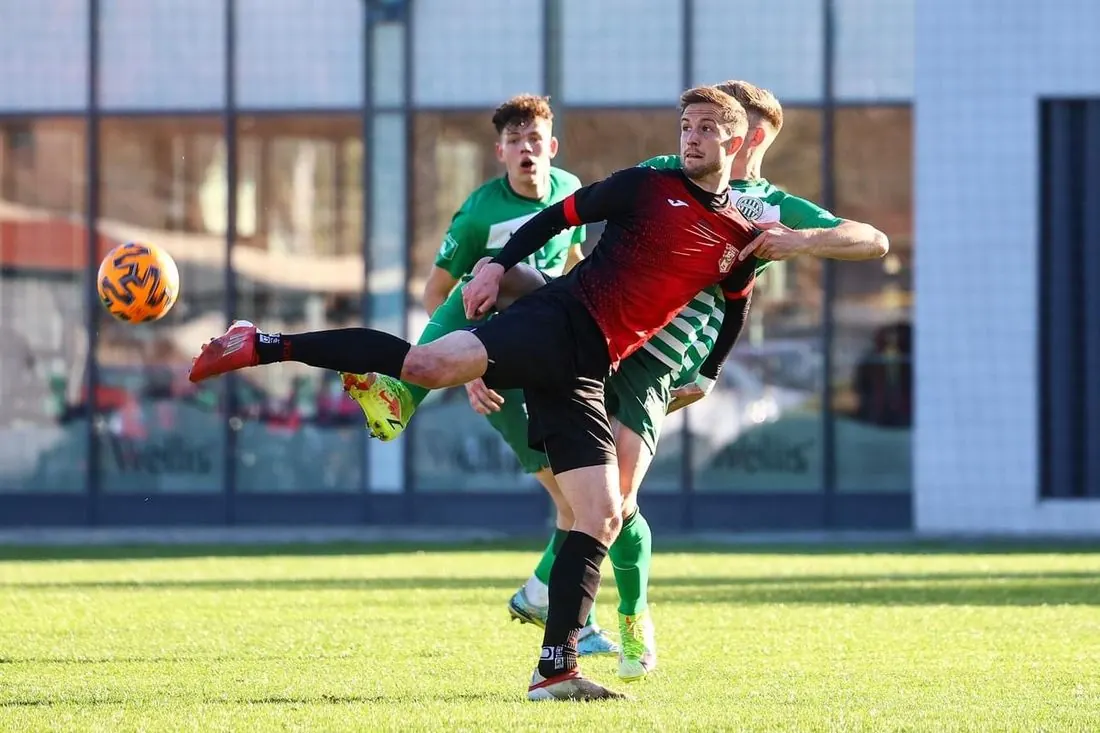
Somewhere in your final season, the thought arrives: what happens when the eligibility runs out? For most college athletes it is not a lack of ability that ends the career — it is a lack of a next step. Europe is that next step more often than people realise, and it is far more reachable than the myths suggest.
The window nobody prepares you for
College soccer is built around a fixed clock. You know the date your eligibility ends from the day you arrive on campus. What almost nobody prepares you for is the silence that follows it — no coach handing you a schedule, no structure, no obvious door to walk through. Players who were competing at a high level three months earlier suddenly find themselves with no team.
The players who keep going are rarely the most talented ones. They are the ones who started planning while they still had a season left, and who understood that the path abroad is a process, not a lottery ticket.
Be honest about your level — it opens more doors than it closes
European soccer is deep. Below the leagues you see on television there are many tiers of professional and semi-professional football, and those tiers are where most international moves actually happen. That is not a consolation prize: it is a real playing environment, often with better coaching structures and more games than people expect.
The mistake we see most often is aiming only at the top and treating everything else as failure. The athletes who succeed abroad tend to do the opposite — they find the level where they will actually play minutes, and let performance move them upward.
Playing and studying at the same time
One of the biggest differences between the U.S. and European systems is that sport and education are not bundled together. In Europe you play for a club and you study at a university — two separate commitments, which sounds harder but is often more flexible. Training schedules are built around adults with lives, not around a campus timetable.
For American graduates this creates an option that barely exists at home: continue playing competitively while completing a master's degree in English. Hungary is one of the countries where this combination works well — there is a large selection of English-language programmes, the cost of living is far below Western Europe, and Budapest sits within a few hours of most of the continent.
The practical side: what actually has to be solved
The football part is usually not what stops people. The logistics are. Before a single training session happens, several things need to line up:
- Legal status. As a non-EU citizen you need the right permit to stay, and the requirements differ depending on whether you come to study, to play, or both. This is the part that takes the longest — start early.
- A place to live. Arriving without accommodation is possible, but it turns your first weeks into a housing search instead of a football pre-season.
- Banking and insurance. Unglamorous, but you will need a local account and valid health coverage before life becomes normal.
- Someone on the ground. The first month abroad is where most people struggle — not because it is hard, but because everything is unfamiliar at once.
None of these are difficult individually. They are difficult when you face all of them in a language you do not speak, two weeks before a season starts.
When to start
Earlier than feels necessary. University admissions run on fixed deadlines that often fall months before the academic year, permit processes have their own timelines, and clubs plan their squads around specific windows in the calendar. A player who begins the conversation with a full season still ahead has options. A player who begins in August, hoping to be somewhere in September, is negotiating from a very narrow position.
If you are in your final year, the useful move is not to decide — it is to find out. Understanding what is realistic for your level, your degree and your timeline costs you nothing and changes every decision that follows.
What to have ready
Whether you work with an agency or go it alone, the same materials open the same doors:
- Recent match footage. Full-game clips matter more than a highlight reel of your best ten touches — coaches want to see how you play when the ball is elsewhere.
- An honest athletic résumé. Level, minutes played, position, physical profile. Inflated numbers get discovered in the first training session.
- Your academic record. If studying is part of the plan, your transcript decides which programmes are open to you.
- A valid passport. Obvious, and still the thing that delays people most often.
The honest summary
Moving to European soccer after college is not a fairy tale and it is not out of reach. It is a process with real requirements, real deadlines and a realistic level attached to it. The players who make it are the ones who treat it that way — early, informed, and willing to hear the truth about where they stand.
Your college career ending does not have to be the end of your playing career. It is simply the point where nobody is organising it for you anymore.
Find out what's realistic for you
Tell us about your background and goals. We'll come back to you within 48 hours with an honest assessment and a free consultation call.
Start your application